Home/Centres & Specialities/Stroke Clinic
  • overview
  • our doctors

PRIORITIZE your
HEALTH with our
All-Inclusive
Health Packages!

Find your perfect
doctor and book your
appointment online
with ease!

Stroke Rehabilitation Center in Bangalore

What is a Stroke?

A stroke is also known as a “Brain Attack”. It is similar to a heart attack in nature. It has the potential to affect people of all age groups. The stroke happens when the blood supply directed toward the brain is cut off abruptly. Without blood, the brain cells are deprived of oxygen and other nutrients, and hence the brain cell begins to die. The damage caused by it is relational to the area of the brain it affects. Stroke affects people’s most basic functional aspects such as speech, mobility, and their ability to think, feel or respond. The consequences of a stroke on a person depend on where it occurs in the brain and the amount of damage caused by it.  For effective recovery, the Sakra Institute of Neurosciences provides specialized care through its Stroke Rehabilitation Center in Bangalore.

Is a Stroke treatable?

Though Stroke is a complex medical issue, there are effective ways to minimize its effects. Identifying early signs of stroke and seeking emergency medical care in the dedicated “stroke unit” minimizes the effects of it.
Stroke can be treated effectively if one seeks emergency stroke treatment in the initial 3-4.5 hrs. Also, early access to the best professional care can significantly improve results.
 

What are the warning signs of a Stroke?

Symptoms of a stroke are sudden and unexpected. Here are the warning signs of a stroke: 

1. Sudden, severe headache 
2. Sudden trouble seeing in one or both eyes
3. Sudden weakness of the face, arm or leg, particularly on one side of the body
4. Sudden trouble speaking or understanding
5. Sudden trouble in walking, coordination and a significant loss of balance or dizziness
If you notice one or more of these signs, don’t worry or panic. Call the emergency medical services and get to a hospital immediately. 
 

6 Key facts about Stroke Treatment

1.  You can make a positive difference by recognizing the signs of a Stroke
Recognizing the signs of stroke and getting the treatment on time saves lives and accounts for a speedy recovery.
If you think someone may have had a stroke, check for these signs quickly:
  • Face – Is one side drooping? 
  • Arms – Raise both arms. Is one side weak?
  • Speech – Is the person able to speak? Are words jumbled or slurred?
  • Time – Act quickly. Seek emergency medical attention immediately.
2. When cared for in a specialized stroke unit, around 1 in 10 diagnosed people make a fast recovery 
All patients with stroke (ischaemic or haemorrhagic) should be admitted to a specialized stroke unit, which involves a designated ward with a specialized team. This team includes a Neurologist, Neurosurgeon, Neurointerventionist, Neuroradiologist, and Stroke rehabilitation specialist. 
Sakra is one of the top hospitals for brain stroke treatment in Bangalore with world-class stroke treatment facilities available 24/7.

3. Provide the patient with clot-busting drugs (tPA or thrombolysis) and enhance his or her chances of recovery by 30%
Clot-busting drugs break up blood clots. This treatment can be administered up to 4.5 hours of symptom onset in many patients with ischaemic stroke. The earlier it is given, the greater the effect.

4. Provide the patient with clot retrieval treatment and enhance his or her chances of recovery by 50%
Clot retrieval treatment (mechanical thrombectomy) involves removing a blood clot from the large arteries by Neurointerventionists in the cath lab. Clot retrieval can improve survival rates and reduce disability for many people with ischaemic stroke caused by large artery blockage.

5. The most critical step in the treatment process is rehabilitation.
Rehabilitation starts in the hospital by neurosurgeons as soon as possible post a stroke. It can improve the patient’s functionality and assist him or her in regaining maximum independence with time.

6. One in four survivors will have another stroke.
Stroke risk can be reduced by treating risk factors for stroke. Treatments that prevent another stroke include drugs to lower blood pressure and cholesterol, antiplatelet therapies, anticoagulation for atrial fibrillation, and surgery or stenting for selected patients with severe carotid artery narrowing.
 

“Right  Stroke Care Makes a Difference”

Join the fight against stroke.
Stroke affects all of us. So let’s take an action, drive awareness and push for better access to stroke treatments.
Learn how to contribute to spreading awareness and access with regard to a stroke. 
Individuals
1. Be aware. Learn the signs of stroke and know to take immediate action.
2. Share this information with family and friends.
 
Learn How To Prevent A Stroke 
Here are six steps anyone can take to reduce the risk and danger of a stroke:
1. Know your personal risk factors: High blood pressure, diabetes, and high blood cholesterol.
2. Be physically active and exercise regularly.
3. Maintain a healthy diet-  high in fruits and vegetables and low in salt to keep the blood pressure low.
4. Limit alcohol consumption.
5. Avoid cigarette smoke. If you smoke, seek help to stop now.
6. Learn to recognize the warning signs of a stroke.

To know more visit our best neurologists in Bangalore at Sakra Stroke Rehabilitation Centre.

Team of Stroke Clinic

Videos of Stroke Clinic

  • Dr. Amit Kulkarni | Key Symptoms of a brain stroke | Sakra World Hospital

    Dr. Amit Kulkarni, Senior Consultant and Lead of Neurology and Stroke at Sakra World Hospital, highlights the key symptoms of a brain stroke and the importance of recognising them early. He stresses that swift action is crucial, urging immediate transfer to the nearest hospital when these signs appear, as every moment counts. Prioritise timely care. Visit Sakra World Hospital for expert guidance on stroke management. #SakraWorldHospital #StrokeAwareness #BrainHealth #Neurology #TimeIsBrain

    14 Oct 2024
  • Dr. Amit Kulkarni on Stroke: Causes, Symptoms, and Early Treatment | World Stroke Day

    Dr. Amit Kulkarni, Senior Consultant and Lead in Neurology and Stroke at Sakra World Hospital, sheds light on the critical issue of strokes for World Stroke Day. A stroke, as he explains, occurs when there is a disruption in the brain's blood supply, which could be caused by a blockage, blood leakage, or a vessel rupture. The location and nature of the stroke determine the symptoms, highlighting which part of the brain is affected. Whether due to a reduced blood flow or compression, early detection and treatment are essential to minimize long-term damage. Visit Sakra World Hospital and get the care you need. #SakraWorldHospital #WorldStrokeDay #StrokeAwareness

    16 Oct 2024
  • Stroke Treatment: Life-Saving Clot-Busting Injections | Dr. Amit Kulkarni | Sakra World Hospital

    Understanding the critical window in stroke treatment can make all the difference. Dr. Amit Kulkarni, Senior Consultant & Lead in Neurology & Stroke at Sakra World Hospital, sheds light on the life-saving potential of clot-busting injections. When a stroke patient arrives within the crucial first 4-5 hours, they may be eligible for an intravenous clot-buster injection, provided there are no contraindications. Watch the full video to learn more about this vital treatment and how our experts at Sakra World Hospital are paving the way for healthier lives. Visit Our Hospital Website: https://www.sakraworldhospital.com/ Follow Us On Instagram: https://www.instagram.com/sakrahospital Follow Us On Facebook: https://www.facebook.com/SakraBangalore Follow Us On Twitter: https://twitter.com/SakraHospital Follow Us On LinkedIn: https://www.linkedin.com/company/sakra-world-hospital/

    6 Nov 2024
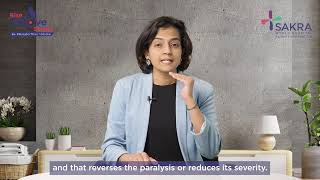
  • World Stroke Day: Dr. Roopa Seshadri on Life-Saving Stroke Treatments | Sakra World Hospital

    World Stroke Day, observed on October 29th, raises awareness of the serious impact of strokes and the importance of timely intervention. Dr. Roopa Seshadri, Senior Consultant in Neuro & Stroke Intervention, shares three critical insights everyone should know about strokes. First, the paralysis caused by a stroke can often be reversed, or at least its severity reduced, through an advanced procedure called Mechanical Thrombectomy. This specialized treatment is performed by highly skilled interventional neuroradiologists, who access the blocked blood vessel in the brain to restore blood flow and reduce paralysis. However, speed is essential—this procedure must be done as soon as possible after paralysis onset, as delayed action can lead to irreversible neuron loss. Join Dr. Roopa in understanding how prompt and advanced treatment can make all the difference. Visit Sakra World Hospital for expert stroke care and support that could change the life of someone you love. Visit Our Hospital Website: https://www.sakraworldhospital.com/ Follow Us On Instagram: https://www.instagram.com/sakrahospital Follow Us On Facebook: https://www.facebook.com/SakraBangalore Follow Us On Twitter: https://twitter.com/SakraHospital Follow Us On LinkedIn: https://www.linkedin.com/company/sakra-world-hospital/

    27 Oct 2024

{ "@context": "https://schema.org", "@type": "FAQPage", "mainEntity": [{ "@type": "Question", "name": "What is a Stroke Clinic?", "acceptedAnswer": { "@type": "Answer", "text": "A Stroke Clinic is a specialized healthcare facility or unit dedicated to the assessment, treatment, and ongoing care of individuals who have experienced a stroke. It provides a multidisciplinary approach to address the unique needs of stroke survivors." } },{ "@type": "Question", "name": "Why is a Stroke Clinic important?", "acceptedAnswer": { "@type": "Answer", "text": "A Stroke Clinic is crucial for timely and specialized care, ensuring that stroke survivors receive prompt evaluation, treatment, and rehabilitation. It plays a pivotal role in improving outcomes and enhancing the quality of life for individuals affected by strokes." } },{ "@type": "Question", "name": "What services are offered in a Stroke Clinic?", "acceptedAnswer": { "@type": "Answer", "text": "Services in a Stroke Clinic typically include: Comprehensive neurological assessments Diagnostic imaging (MRI, CT scans) Rehabilitation planning and therapy Medication management Lifestyle modification counseling Education on stroke prevention and recovery" } },{ "@type": "Question", "name": "Who are the professionals in a Stroke Clinic?", "acceptedAnswer": { "@type": "Answer", "text": "The Stroke Clinic team, in collaboration with the Pain and Stroke Rehab Centre, usually consists of neurologists, nurses, physical and occupational therapists, speech therapists, social workers, and other healthcare professionals. This multidisciplinary approach ensures comprehensive care addressing various aspects of recovery." } },{ "@type": "Question", "name": "What happens during a visit to a Stroke Clinic?", "acceptedAnswer": { "@type": "Answer", "text": "During a visit, patients can expect: Thorough neurological assessments Review of medical history and imaging results Discussion of treatment options and rehabilitation plans Counseling on lifestyle modifications and preventive measures Coordination with other specialists as needed" } }] }

1. 1. What is a Stroke Clinic?

A Stroke Clinic is a specialized healthcare facility or unit dedicated to the assessment, treatment, and ongoing care of individuals who have experienced a stroke. It provides a multidisciplinary approach to address the unique needs of stroke survivors.

2. 2. Why is a Stroke Clinic important?

A Stroke Clinic is crucial for timely and specialized care, ensuring that stroke survivors receive prompt evaluation, treatment, and rehabilitation. It plays a pivotal role in improving outcomes and enhancing the quality of life for individuals affected by strokes.

3. 3. What services are offered in a Stroke Clinic?

Services in a Stroke Clinic typically include:

  • Comprehensive neurological assessments
  • Diagnostic imaging (MRI, CT scans)
  • Rehabilitation planning and therapy
  • Medication management
  • Lifestyle modification counseling
  • Education on stroke prevention and recovery

4. 4. Who are the professionals in a Stroke Clinic?

The Stroke Clinic team, in collaboration with the Pain and Stroke Rehab Centre, usually consists of neurologists, nurses, physical and occupational therapists, speech therapists, social workers, and other healthcare professionals. This multidisciplinary approach ensures comprehensive care addressing various aspects of recovery, and patients often receive additional support at a Stroke Rehabilitation Center in Bangalore, which specializes in aiding recovery and improving overall quality of life for stroke survivors.

5. 5. What happens during a visit to a Stroke Clinic?

During a visit, patients can expect:

  • Thorough neurological assessments
  • Review of medical history and imaging results
  • Discussion of treatment options and rehabilitation plans
  • Counseling on lifestyle modifications and preventive measures
  • Coordination with other specialists as needed

080 4969 4969

SY NO 52/2 & 52/3,
Devarabeesanahalli, Varthur
Hobli, Bangalore- 560 103

Subscribe For

Health Tips, News & Updates

Do you have a
Question?
Enquire Now